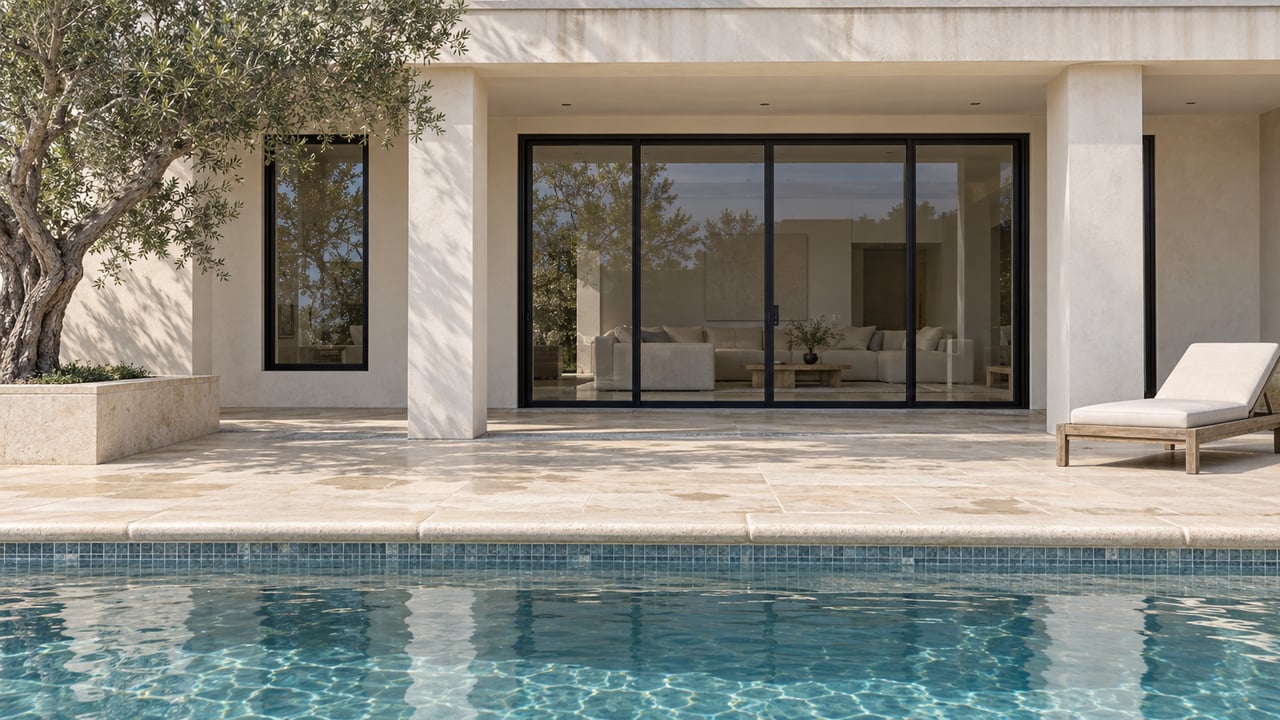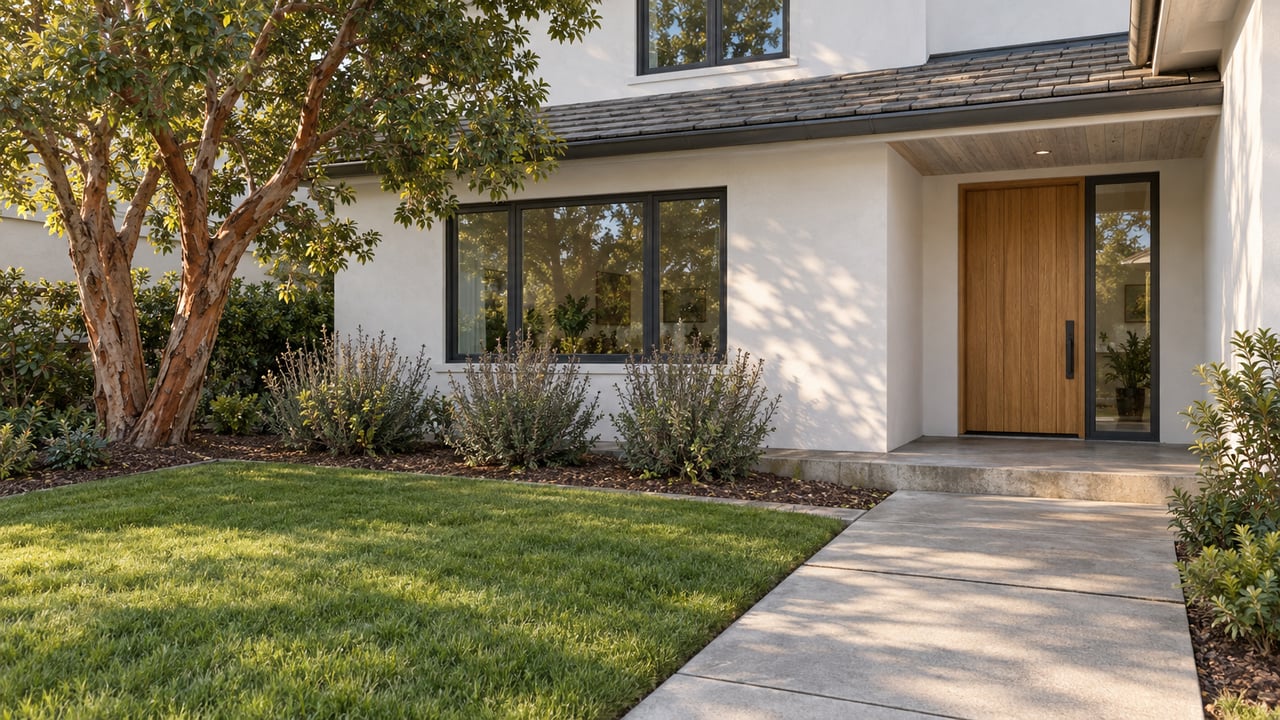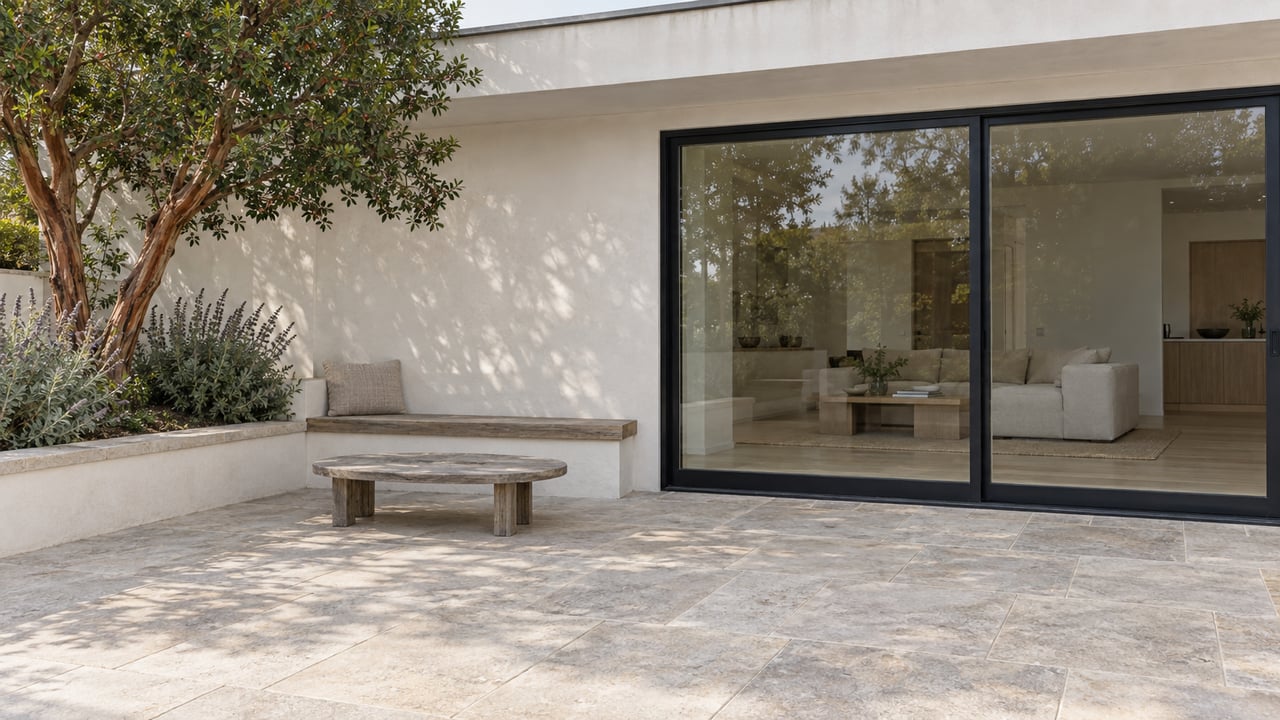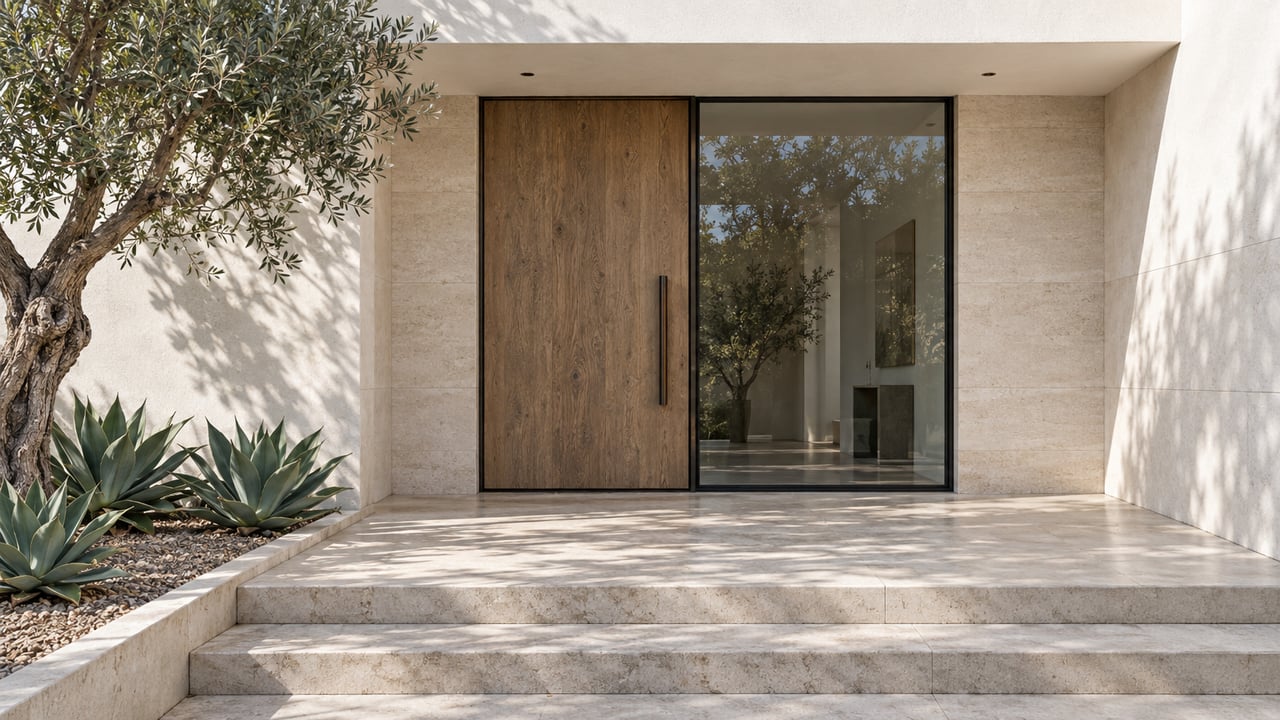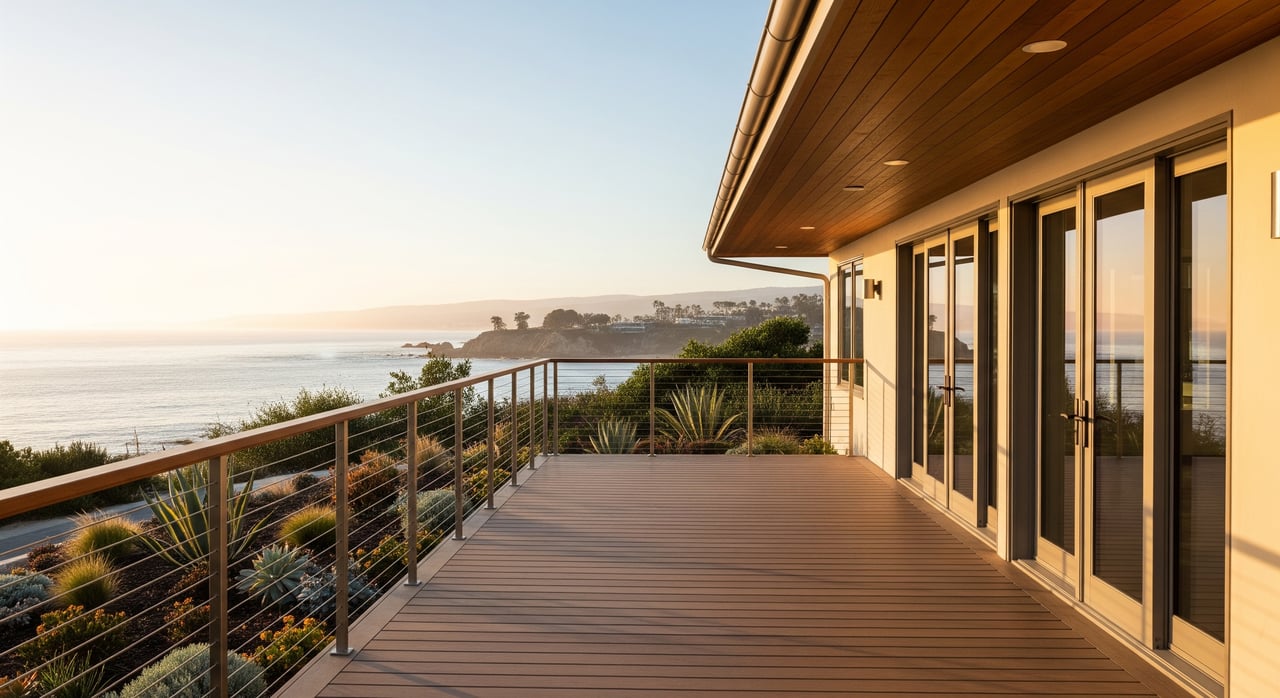
Salt, sun, and ocean air are why you love Laguna Beach, and they are also why coastal homes need a different care plan. If you want your place to look sharp and last longer, a little prevention goes a long way. In this guide, you will learn what the coast does to buildings, which materials perform best, a simple seasonal checklist, and when to bring in the right pros. Let’s dive in.
What the coast does to homes
Laguna Beach sits in a Mediterranean coastal climate. You get mild temperatures, a regular marine layer, and strong sun on clear days. That mix speeds up corrosion, UV fading, and salt buildup on exterior surfaces.
Nearshore microclimates matter too. Homes closer to surf or on exposed bluffs see heavier salt spray and wind. Salt attacks metal, sun wears down paint and sealants, and trapped moisture in shaded or poorly vented areas can lead to mildew, mold, and wood rot.
Materials that last in Laguna Beach
Choosing the right materials reduces future repairs. Focus on corrosion resistance, UV stability, and good drainage.
Metals and fasteners
- Insist on 316 stainless steel for exposed railings, hardware, and exterior fasteners in heavy salt zones. It resists pitting better than 304 stainless.
- If steel is used, hot‑dip galvanizing or high‑quality coatings help, but expect shorter life near the ocean.
- Aluminum can work with anodized or coated finishes, but it may pit under high chloride exposure.
- For HVAC and other equipment, sacrificial anodes and anti‑corrosion coatings add protection.
Roofs and flashing
- Tile roofs perform well in sun, but flashing, drip edges, and fasteners should be stainless or coastal‑rated. Replace corroded flashing promptly.
- Metal roofs can be excellent if you use high‑quality coatings and corrosion‑resistant fasteners.
- Asphalt shingles need high UV resistance. Watch for granule loss as an early sign of wear.
Stucco, paint, and exterior walls
- Cement stucco is common and reliable when control joints, weep screeds, and sealants are maintained.
- Use elastomeric or high‑quality acrylic exterior paints that resist UV and let walls breathe. This helps avoid trapped moisture.
- Expect shorter repaint cycles on seaward walls compared with inland homes. Plan for touch‑ups between full recoats.
Decks, wood, and railings
- Pressure‑treated lumber, redwood, or cedar can do well if you keep up with sealing or staining.
- Composite decking resists rot and salt. It can fade and hold heat, so ensure good ventilation and drainage below.
- Use stainless fasteners, preferably 316, for all exterior wood connections.
Windows and doors
- Fiberglass and vinyl frames resist corrosion better than bare metal.
- Coated aluminum frames are acceptable if specified for coastal use.
- Choose marine‑grade hinges and locks so hardware does not seize.
- Consider wind‑resistant glazing if your home is on an exposed headland or bluff.
HVAC and mechanicals
- Outdoor condensers last longer with anti‑corrosion coil coatings and stainless fasteners. Place them out of direct salt spray where possible.
- Rinse condenser coils periodically and schedule annual professional service. Keep condensate drains clear.
- Whole‑house ventilation and dehumidification can reduce interior condensation in humid conditions.
Sealants and exterior electrical
- Select high‑UV, flexible sealants compatible with your substrates. Replace failed caulk at windows, doors, and penetrations.
- Use coastal‑rated lighting fixtures, gasketing, and stainless screws. Ensure outdoor outlets and enclosures are rated for the environment.
Landscaping and drainage
- Choose salt‑tolerant plantings and create windbreaks to reduce salt spray on vulnerable areas.
- Use drip irrigation and keep water away from foundations.
- If your property is on or near a bluff, consult qualified engineers. Planting is not a substitute for engineered stabilization.
Your core maintenance routine
A few steady habits protect finishes, prevent leaks, and cut long‑term costs.
Monthly to quarterly rinsing
- Rinse railings, glass, exterior metal, and furniture with fresh water every 1 to 3 months. Do it more often after high winds or storms.
- Wash exterior glass on the same schedule to prevent salt crystals from abrading the surface.
Seasonal checklist
- Spring
- Clean gutters and downspouts. Rinse exterior salt accumulation. Service HVAC. Inspect roof and flashing. Touch up exterior paint and caulk. Check deck fasteners.
- Summer
- Rinse and clean outdoor furniture and glass. Test and adjust irrigation. Inspect decks and wood for UV damage. Maintain ventilation and attic fans.
- Fall
- Clear debris from roof valleys. Prepare drainage for winter rains. Service heaters or whole‑house systems. Inspect sealants and windows.
- Winter
- After storms, check for leaks and wind damage. Confirm garage or basement drainage is working. Schedule larger exterior projects for dry weather windows.
Annual and multi‑year service
- HVAC: Schedule professional service once a year. Rinse coils every 3 to 6 months depending on salt exposure. Replace filters as needed.
- Roofing: Get a professional roof inspection annually and after major storms. Replace failing flashing or fasteners promptly.
- Paint and stucco: Inspect annually for cracks, chalking, or peeling. Plan recoats by exposure, product quality, and condition.
- Pest and wood‑destroying organisms: Order an annual inspection. Fix moisture issues that attract pests.
- Metalwork and fasteners: Have a pro inspect every 2 to 4 years, especially near the surf zone, to catch hidden corrosion.
Watch for early warning signs
Call a professional quickly if you see any of the following:
- Active water intrusion or staining inside.
- Bubbling or peeling paint, or cracking stucco.
- Active roof leaks or missing flashing.
- Significant corrosion on railings, fasteners, or HVAC components.
- Large mold growth indoors or persistent musty odors.
- Soft or spongy wood at decks, stairs, or trim.
- New or widening structural cracks or movement.
Vetting coastal‑savvy vendors
In a marine environment, contractor experience matters. Ask about coastal work and the exact materials they plan to use.
- General contractor: Confirm California Contractors State License Board licensure, insurance, coastal project references, and familiarity with local permitting.
- Roofing contractor: Look for manufacturer certifications and proven coastal flashing practices.
- Painter and stucco specialist: Ask about elastomeric systems, surface preparation, and warranties in coastal exposure.
- Metal fabricator or railing contractor: Verify use of 316 stainless steel, proper welding standards, and finish treatments.
- Window and door installer: Confirm coastal‑rated frames and hardware, and installer certifications.
- HVAC contractor: Ask about coil coatings, corrosion mitigation, and service plans for marine environments.
- Engineers for bluff or ocean‑adjacent sites: Engage licensed civil, structural, or geotechnical engineers with coastal experience.
- Pest control and WDO inspector: Check licensing and coastal experience.
- Landscape and erosion control: Seek expertise in salt‑tolerant plantings, drainage, and coordination with engineers if stabilization is needed.
Key questions to ask any vendor:
- Which materials and grades will you use, and why are they right for this exposure level?
- What maintenance preserves product warranties, and who documents it?
- What coastal references can we call, and what were the project conditions?
- Are you familiar with City of Laguna Beach processes for exterior or bluff‑related work?
Permits, hazards, and insurance in Laguna Beach
Coastal properties can involve extra steps. Projects that change exteriors, expand footprints, or touch bluff areas may require permits. Talk with the City of Laguna Beach planning and building teams before you start design or site work.
If your home is in a flood‑prone area or near the shoreline, review flood maps and consider whether flood insurance fits your risk. Sea‑level rise is a long‑term factor for access, drainage, and insurability, so plan with the future in mind.
For warranties and insurance, follow maintenance requirements and keep records. Many policies and equipment warranties expect proof of routine care, especially for corrosion‑prone systems.
Protect your home value
Preventive maintenance is not just about avoiding repairs. It protects curb appeal, buyer confidence, and long‑term value. Keep a maintenance log with dates, invoices, and photos. This file helps with warranties, insurance claims, and resale disclosures.
If you plan to sell in the next few years, a quick consultation can prioritize high‑ROI updates, from exterior paint touch‑ups to window hardware replacements. When you are ready to move, our team can pair white‑glove guidance with investment‑minded advice so you focus on improvements that matter most to buyers.
Ready for local guidance that balances lifestyle and value in Laguna Beach? Reach out to the team at Mint Real Estate for thoughtful advice on buy, sell, or prep‑to‑list strategies that fit your goals.
FAQs
How often should I rinse exterior surfaces at a Laguna Beach home?
- Rinse railings, glass, and exposed metal every 1 to 3 months, and more often after wind or storm events that drive salt spray.
Which stainless steel grade should Laguna Beach owners use outdoors?
- Choose 316 stainless steel for exposed hardware and railings in marine conditions, since it resists pitting better than 304 stainless.
How often should a coastal Laguna Beach home be repainted?
- Inspect annually; expect shorter repaint cycles on seaward walls, with touch‑ups as needed and full recoats based on product quality and exposure.
What HVAC maintenance do Laguna Beach coastal homes require?
- Schedule annual professional service, rinse condenser coils every 3 to 6 months depending on salt load, and replace filters per system needs.
Do Laguna Beach coastal owners need flood insurance near the shore?
- It depends on elevation and mapped risk; consult a knowledgeable insurance broker to evaluate coverage for flood, wind, and corrosion‑related exclusions.
Who should I contact for bluff stability or erosion concerns in Laguna Beach?
- Start with a licensed geotechnical or structural engineer and speak with the City of Laguna Beach before any soil, vegetation, or stabilization work.