Over the three months ending in May 2026, the median home in Laguna Beach sold for $3.1 million, up 5 percent from the same stretch a year earlier. Over that same window, the median price per square foot fell 15.4 percent. Both numbers came from the same set of closed sales. Both are true. And if you are shopping in Laguna Beach right now and using price per square foot to sanity-check an offer, that contradiction is the reason your math keeps coming out wrong.
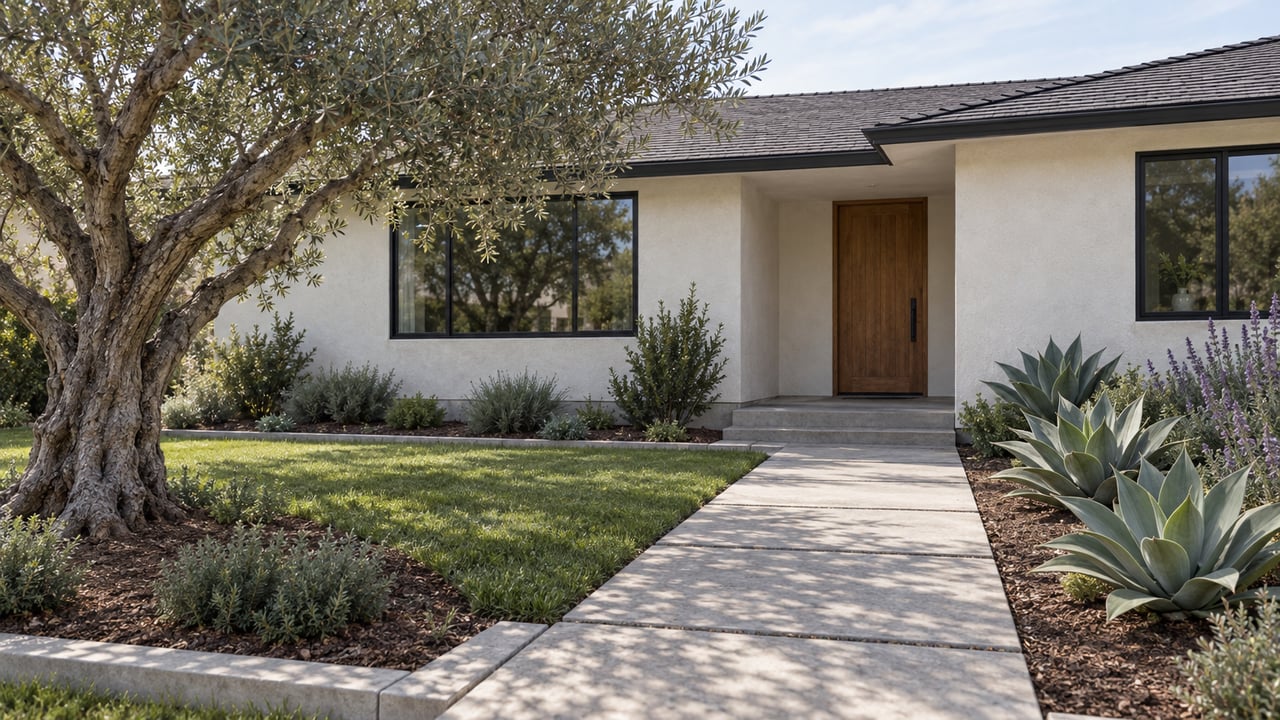
Here is what actually happened. In April 2026, a two-room cottage at 1041 Marina Drive listed at $18.8 million. It has 432 square feet, no bedroom, and one bathroom. The asking price worked out to more than $43,000 per square foot, and news outlets picked it up as a novelty. It isn't a novelty. It's a preview of what happens to every price-per-square-foot number in this city once you understand what actually sets Laguna Beach values, because that cottage sits inside the bluff line with a direct, unobstructed whitewater view, and in this market that single fact matters more than every other line on the listing sheet combined.
Why the same square foot means different things depending on where you're standing
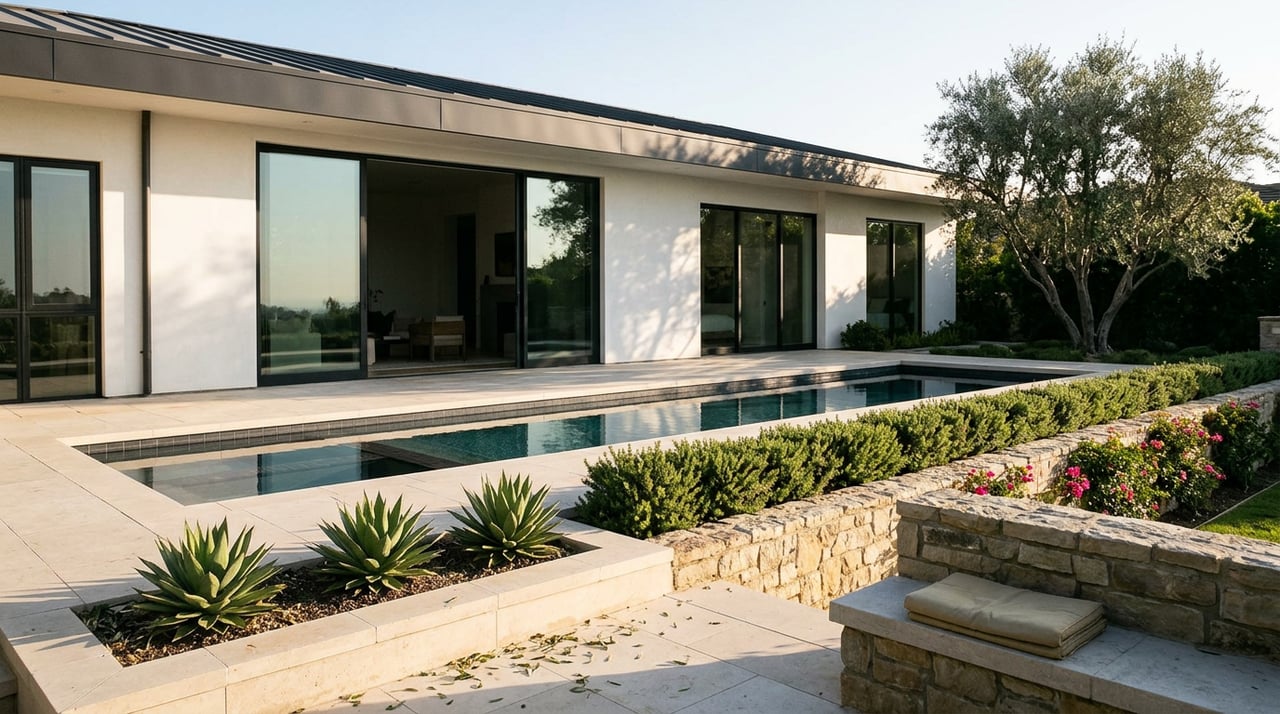
Two blocks inland from a property like that, a 5,000-square-foot home with the same bedroom count can sell for a fraction of the total price and land at a fraction of the per-foot number too. Both are real Laguna Beach transactions. Neither is a mispriced outlier. They are simply pricing two different products that happen to share a unit of measurement.
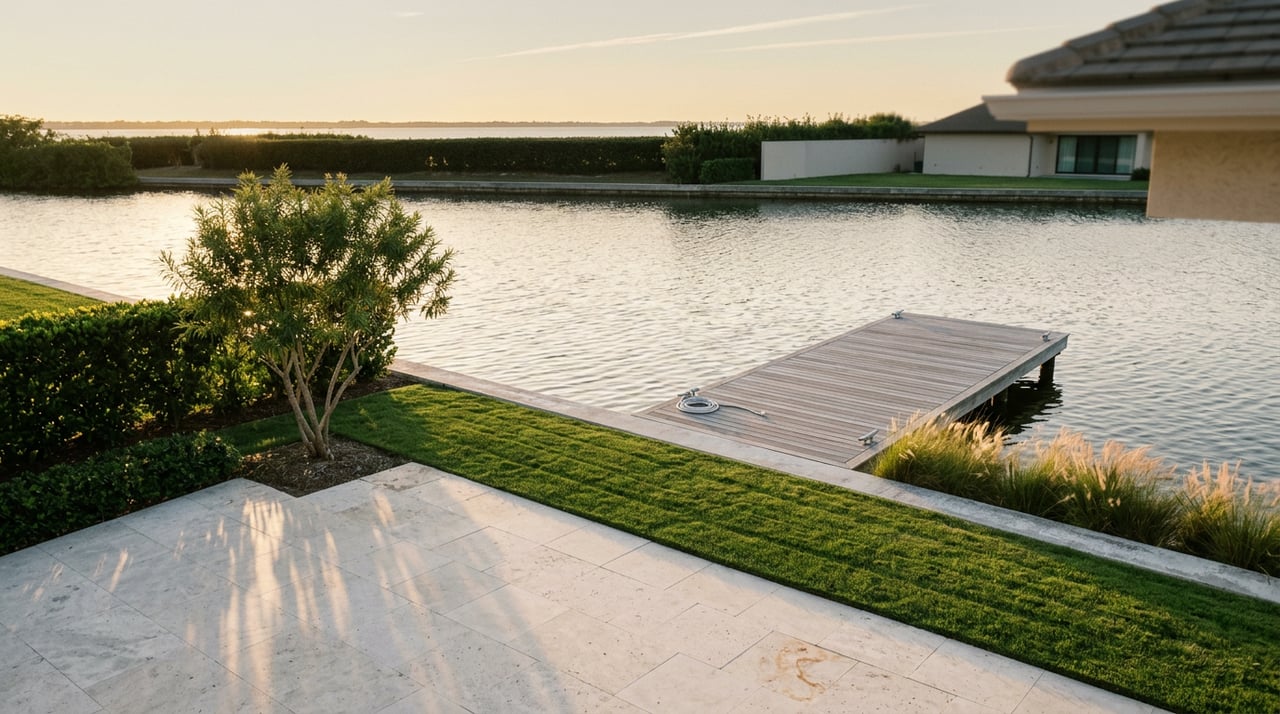
Laguna Beach's geography makes this unavoidable. The city runs along roughly 23 square miles of coastline and canyon, and a meaningful share of that footprint is either protected open space or too steep to build on without significant engineering. That scarcity means the driver of value on any given block is rarely square footage. It's whether the lot sits inside the bluff line, whether the view corridor is protected from future construction, and whether the slope leaves room to build without a retaining wall eating the budget. A flat, buildable lot near the sand with room to expand is worth far more than a larger lot on a steep grade, even if the second one has more finished square feet today.
That is the mechanism behind the $43,000-per-square-foot cottage, and it is also the mechanism behind the citywide numbers pulling in opposite directions. When more of a quarter's closed sales are small, view-driven bluff properties, the median price per square foot climbs because buyers are paying for location, not living space. When more of the closings shift toward larger canyon and hillside homes, the median price per square foot falls even as the median sale price rises, because the total dollar figure is being spread across more square feet. Neither shift means Laguna Beach got more or less valuable. It means the mix of what sold changed.
What the citywide median is actually blending together
The citywide figures get less useful the closer you get to making an offer, because they average across three distinct products that behave nothing alike.
| Segment | Typical price point (as of May 2026) | Days on market | What drives it |
|---|---|---|---|
| Entry luxury | Around $4 million | Fastest of the three tiers | Turnkey condition, walkability to the village |
| Upper luxury view homes | Around $7.4 million | Moderate | View consistency, elevation, architecture |
| Ultra-luxury oceanfront | Around $18.4 million | Median 203 days | Bluff position, lot scarcity, buyer pool is small and discretionary |
Blend those three together and you get a citywide median that describes none of them accurately. The same blending problem shows up in days on market. As of May 2026, the median time to sell across the single-family luxury market as a whole ran around 74 days, while the average sat closer to 163. That gap exists because well-priced, well-presented listings move in about two and a half months, while mispriced or under-prepared homes drag the average out past five months. If a comp you're using to justify an offer sold in 30 days, you need to know whether that's typical for its tier or a signal the price was set low from the start.
Neighborhood-level data tells the same story from a different angle. Earlier in 2026, in February, homes in Top of the World sold at a median price per square foot up 38.5 percent year-over-year, even as the citywide per-foot figure would go on to fall 15.4 percent over the three months ending in May. Different windows within the same year, pointing in opposite directions. Only five homes sold in Top of the World that February, up from three the year prior, which is exactly the kind of sample size where a single well-priced view home can swing the whole neighborhood median. That's not a flaw in the data. It's a reminder that a citywide trend and a specific pocket's trend can move in opposite directions at the same time, and the pocket is the one you're actually buying into.
The market is already moving underneath last month's headline
Weekly tracking across five coastal Orange County submarkets this month showed total active inventory holding almost flat, slipping by only two listings city to city. Read as a single headline, that looks like a market standing still. Underneath it, Laguna Beach's recent sales were closing at roughly twice the pace they had been the week before, while a neighboring coastal market saw new listings arrive faster than they were being absorbed. A flat regional number and a tightening local one can both be accurate in the same week, for the same reason the median price and the median price per square foot can both be accurate in the same quarter. Aggregates smooth out exactly the local movement a buyer needs to see.
What to ask before you anchor on a comp
Before you use any number to set an offer or a listing price in Laguna Beach, get specific answers to these:
- Which of the three price tiers does this comp actually belong to, and is the property you're evaluating in the same one?
- Is the comp inside the bluff line with a protected view corridor, or is it a canyon or hillside property trading on lot size and privacy instead?
- How many sales is that neighborhood-level statistic built from? A median built on three or five transactions moves very differently than one built on seventy.
- Did the comp sell near its median days-on-market figure, or closer to the average? That gap tells you whether the price was realistic from day one.
FAQ
Does a lower price per square foot mean a better deal in Laguna Beach? Not on its own. A lower per-foot number often means the home sits further from the bluff line or lacks a protected view corridor, which are the two factors that drive Laguna Beach value more than finished square footage does.
Is Laguna Beach currently a buyer's or seller's market? Recent tracking points to a slight seller's edge, with sales continuing to outpace new listings, but that edge is not evenly distributed. Some submarkets are tightening week to week while others are seeing new inventory arrive faster than it's being absorbed.
Why did the median sale price rise while the price per square foot fell? The two numbers describe different things. The median sale price reflects the middle transaction by dollar amount. The median price per square foot reflects value per unit of space. When the mix of what's selling shifts toward larger homes with lower per-foot pricing, both can move in opposite directions without either one being wrong.
If you're comparing a specific Laguna Beach property against what similar homes have actually closed for, tier, location, and sample size matter more than any single number on a listing sheet. Mint Real Estate works these micro-markets block by block. Find my dream home.